


Explore the practices, skills, and knowledge taught in 12 school-based mindfulness programs

magnifying-glass
July 24, 2025
By Sara P. Brennen
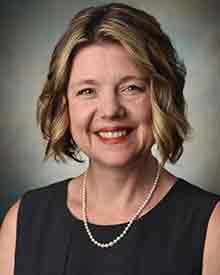
Choosing a school-based mindfulness program can be a daunting task. Programs vary in their content, cost, length and expected outcomes. To help aid in understanding of what these programs offer, Sebrina Doyle Fosco, assistant professor at Penn State, and Deborah Schussler, professor at the University of Albany – SUNY, conducted a thorough content analysis and have published a paper in Prevention Science, Unpacking the Black Box: Exploring Differences in Practices, Skills, and Knowledge Taught in School-Based Mindfulness Programs.
The researchers evaluated 12 school-based mindfulness programs covering grades from Pre-Kindergarten through 12th grade: Dynamic Mindfulness, Pure Edge—Power, Flourish, SEE Learning, PEACE of Mind, Kindness, Learning to BREATHE, Wellness Works, MindUP, MBSR—Teen, Still Quiet Place, and Soles of the Feet. In doing so, they identified five focus areas: movement, compassion and kindness, mindfulness-based stress reduction, social and emotional learning, and behavior.
Curricula were selected that were readily available for purchase or download, without requiring proof of credentials or paid training. The tables in the paper provide useful information on:
- (Table 1) Curriculum name, number of required lessons, number of total and required curricular elements, grade levels, whether outcomes have been published in peer-reviewed journals, and the curricular focus
- (Table 2) A list of mindfulness practices (intrapersonal and interpersonal), and in each program, the percentage of curricular elements that require those practices
- (Table 3) A list of mindfulness skills (intrapersonal and interpersonal), and in each program, the percentage of curricular elements that cultivate those skills
- (Table 4) A list of topics (intrapersonal, interpersonal, and other) and the percent of required lessons on those topics
Regardless of the program selected, teachers should receive training in how to use the program and have support for engaging in their own mindfulness practices, the authors said.
Clarity for researchers and educators
Findings from the study can help build consensus on what constitutes a school-based mindfulness program, Doyle Fosco said. They can also provide clarity for researchers and educators seeking to link curricular content with outcomes for youth.
“When you are lacking clear knowledge of the core curricular content of school-based mindfulness programs, it is difficult to formulate a theory of change delineating the program elements that produce intended outcomes,” Doyle Fosco said. “This research helps explore that ‘black box’ so curricular components can potentially be linked to the most salient outcomes they produce.”
This project was funded, in part, through a small internal grant from the Department of Education Policy Studies at Penn State.


Explore the practices, skills, and knowledge taught in 12 school-based mindfulness programs
magnifying-glass
July 24, 2025
By Sara P. Brennen
Choosing a school-based mindfulness program can be a daunting task. Programs vary in their content, cost, length and expected outcomes. To help aid in understanding of what these programs offer, Sebrina Doyle Fosco, assistant professor at Penn State, and Deborah Schussler, professor at the University of Albany – SUNY, conducted a thorough content analysis and have published a paper in Prevention Science, Unpacking the Black Box: Exploring Differences in Practices, Skills, and Knowledge Taught in School-Based Mindfulness Programs.
The researchers evaluated 12 school-based mindfulness programs covering grades from Pre-Kindergarten through 12th grade: Dynamic Mindfulness, Pure Edge—Power, Flourish, SEE Learning, PEACE of Mind, Kindness, Learning to BREATHE, Wellness Works, MindUP, MBSR—Teen, Still Quiet Place, and Soles of the Feet. In doing so, they identified five focus areas: movement, compassion and kindness, mindfulness-based stress reduction, social and emotional learning, and behavior.
Curricula were selected that were readily available for purchase or download, without requiring proof of credentials or paid training. The tables in the paper provide useful information on:
- (Table 1) Curriculum name, number of required lessons, number of total and required curricular elements, grade levels, whether outcomes have been published in peer-reviewed journals, and the curricular focus
- (Table 2) A list of mindfulness practices (intrapersonal and interpersonal), and in each program, the percentage of curricular elements that require those practices
- (Table 3) A list of mindfulness skills (intrapersonal and interpersonal), and in each program, the percentage of curricular elements that cultivate those skills
- (Table 4) A list of topics (intrapersonal, interpersonal, and other) and the percent of required lessons on those topics
Regardless of the program selected, teachers should receive training in how to use the program and have support for engaging in their own mindfulness practices, the authors said.
Clarity for researchers and educators
Findings from the study can help build consensus on what constitutes a school-based mindfulness program, Doyle Fosco said. They can also provide clarity for researchers and educators seeking to link curricular content with outcomes for youth.
“When you are lacking clear knowledge of the core curricular content of school-based mindfulness programs, it is difficult to formulate a theory of change delineating the program elements that produce intended outcomes,” Doyle Fosco said. “This research helps explore that ‘black box’ so curricular components can potentially be linked to the most salient outcomes they produce.”
This project was funded, in part, through a small internal grant from the Department of Education Policy Studies at Penn State.