


TOPIC AREA
Neuroscience
We are building a future where neuroscience leads the way to thriving children, families, and communities.
Home » Neuroscience
Leading The Way
Our mission is to promote the mental emotional, and behavioral well-being of children and families by intervening early—before problems take root. By understanding how the brain and body develop in context, our scientists are uncovering the pathways through which caregiving, stress, culture, and connection shape lifelong health.
Three of our Center-affiliated neuroscientists are leading the way in demonstrating how real-world experiences leave their mark on the brain and how interventions can change the course of development.

Dr. Lisa Gatzke-Kopp
Stress, Parenting, and the Developing Brain
Dr. Lisa Gatzke-Kopp studies how parents’ stress systems respond during high-stakes caregiving—especially among families involved in the child welfare system. Her research tracks the moment-to-moment biological signals, like cortisol levels and heart rate, that rise and fall alongside a parent’s interactions with their child. Her findings reveal that “a parent’s stress physiology changes moment to moment alongside their behavior—supporting or straining a child’s development.” These physiological shifts are not just fleeting—they create patterns that shape how a child learns to regulate emotions and stress, with lasting neural and behavioral consequences.
Dr. Kopp’s work informs real-time parenting interventions that can break cycles of adversity and promote resilience in both parents and children.
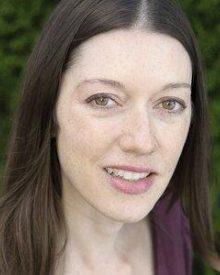
Dr. Heidemarie Laurent
Mindfulness and Connection as Neural Interventions
Dr. Heidemarie Laurent focuses on the biological roots of maternal well-being and parent-child bonding. Her work shows that mindfulness practices during pregnancy and early parenting can reshape how parents perceive infant emotions, manage stress, and connect with their babies on a biological level. Mothers who practice mindfulness show stronger biological connections with their babies—down to their shared stress hormones. Through programs like Mindfulness-Based Childbirth and Parenting, Dr. Laurent has demonstrated that self-regulation and emotional awareness in parents translate into healthier neural and endocrine responses for both mother and child.
Dr. Laurent’s work offers a hopeful message: interventions rooted in mindfulness can re-wire risk into resilience.

Dr. Liz Losin
Culture, Empathy, and the Neuroscience of Pain
Dr. Liz Losin investigates how race, ethnicity, language, and bias shape both the experience of pain and the way it’s perceived by others—especially in clinical contexts. One study found that “doctors’ brains literally empathized less with patients of another race—revealing a neural pathway to disparities in care.” In another, bilingual Latinos reported greater pain when it was described in Spanish, highlighting how cultural identity modulates the brain’s response to pain. Dr. Losin’s research underscores that pain isn’t just biological—it’s deeply social.
By illuminating how bias and culture become embedded in neural responses, Dr. Losin is helping pave the way toward more compassionate, equitable healthcare.